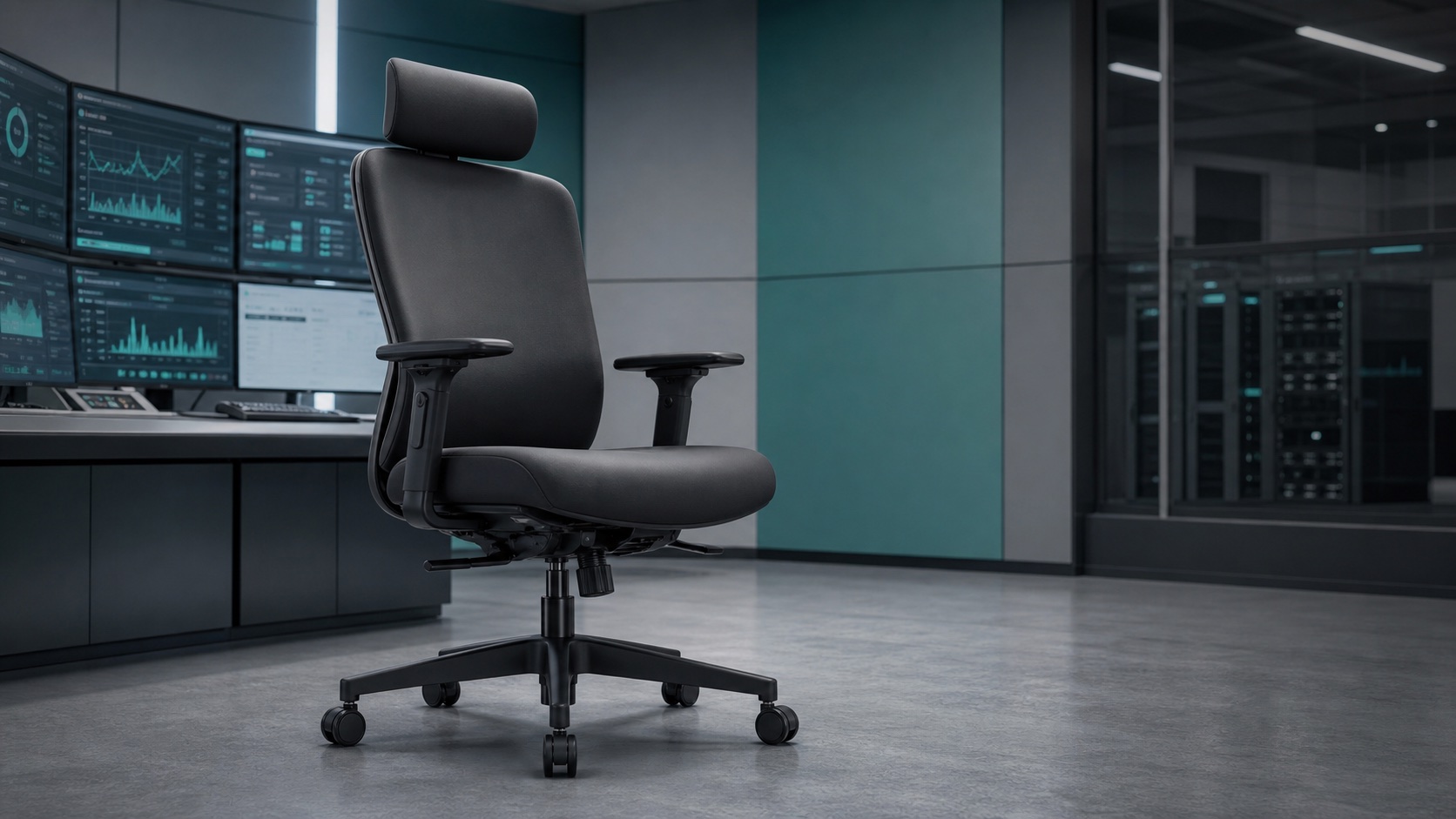
Heavy-duty
For higher-load office chairs and repair markets.
Focus on stronger rod and tube configuration, rated force and repeatable support.
Different chairs need different gas lift behavior. Samiktech helps buyers match Class 3 and Class 4 gas cylinders to heavy-duty seating, laboratory chairs, lounge chairs, sit-stand chairs, children chairs and OEM design programs.
Application-first sourcing
Class 3 and Class 4 are important, but real chair performance also depends on stroke, compressed length, rated force, rod and tube route, finish, rotation behavior and the seat mechanism interface.
Visual application map
These images use current Samiktech product materials to present each application direction. If you provide real chair-application photos later, we can replace these with more precise scene photography.
Focus on stronger rod and tube configuration, rated force and repeatable support.
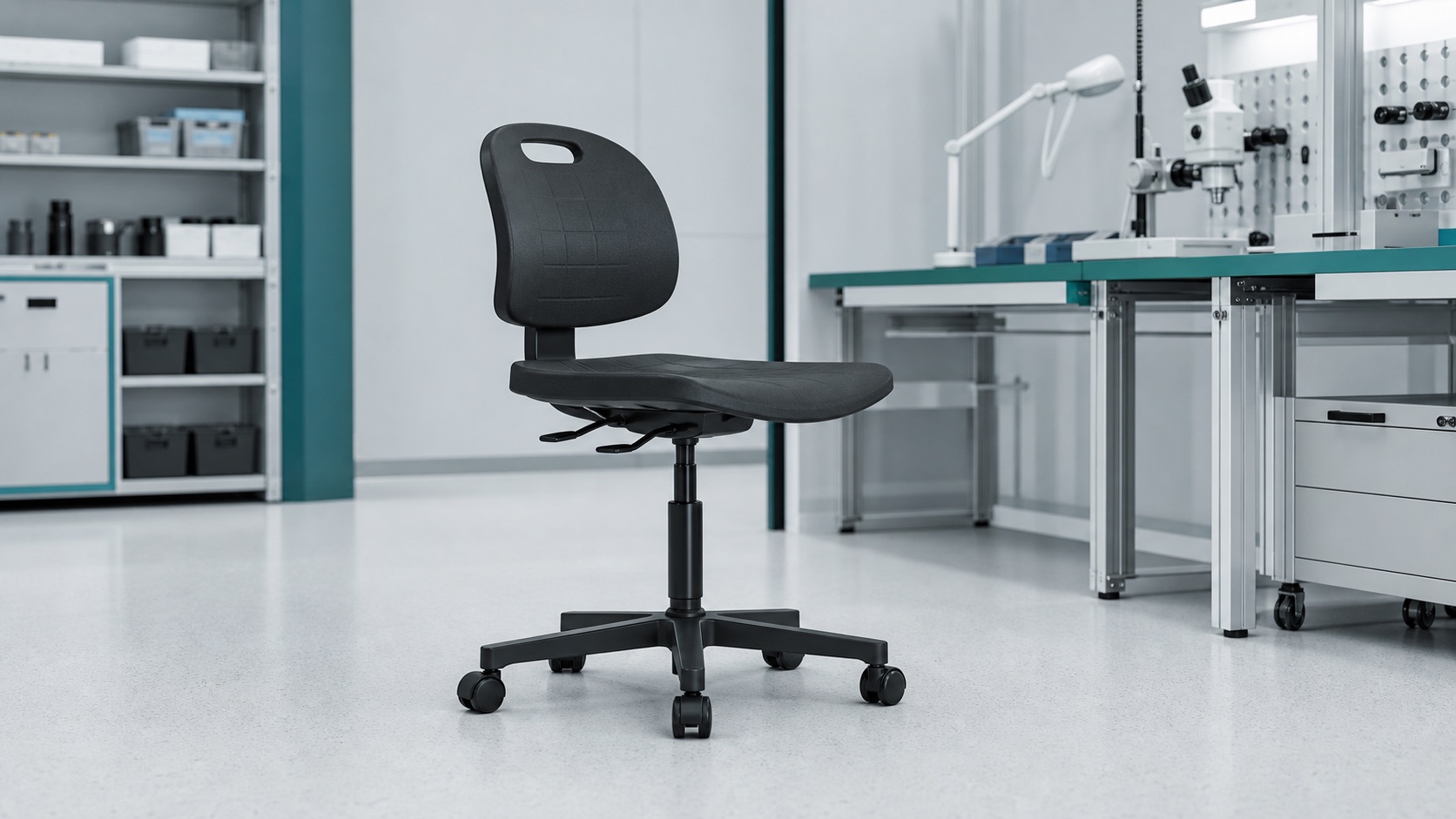
Review surface condition, anti-static path and buyer test requirements.
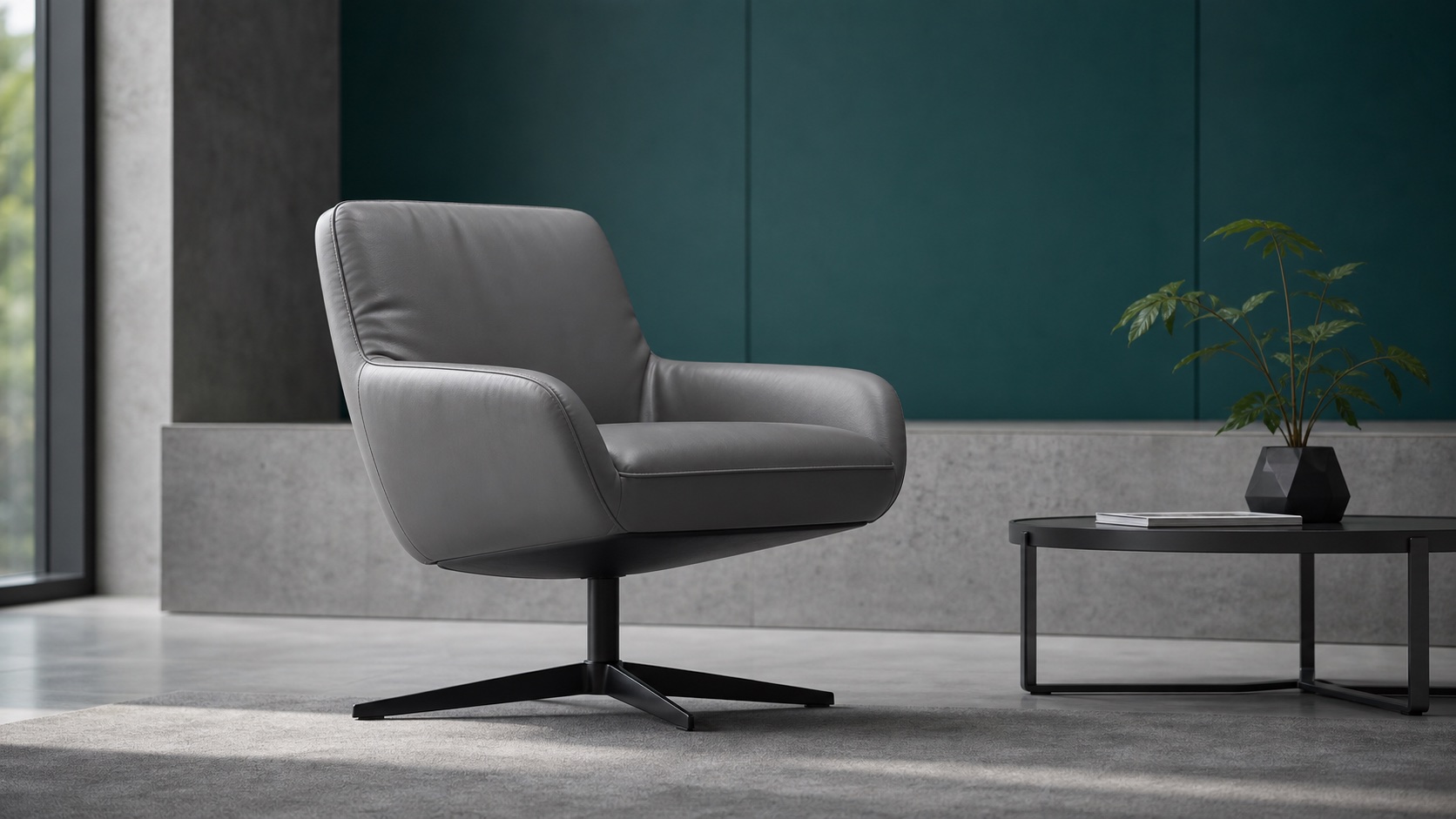
Discuss auto-return, non-swivel behavior and visual finish.
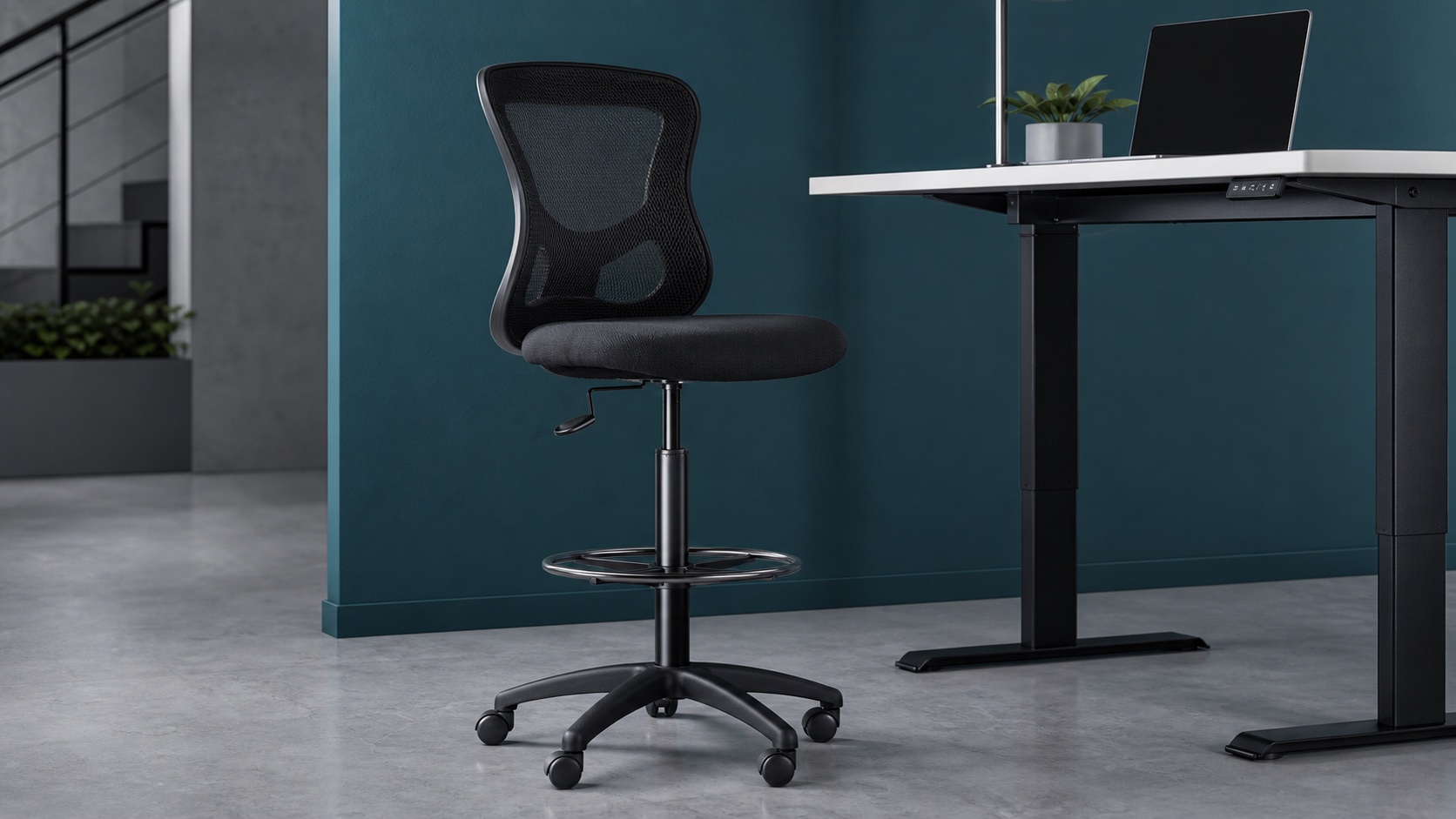
Confirm long stroke, extended length and compressed length before sampling.
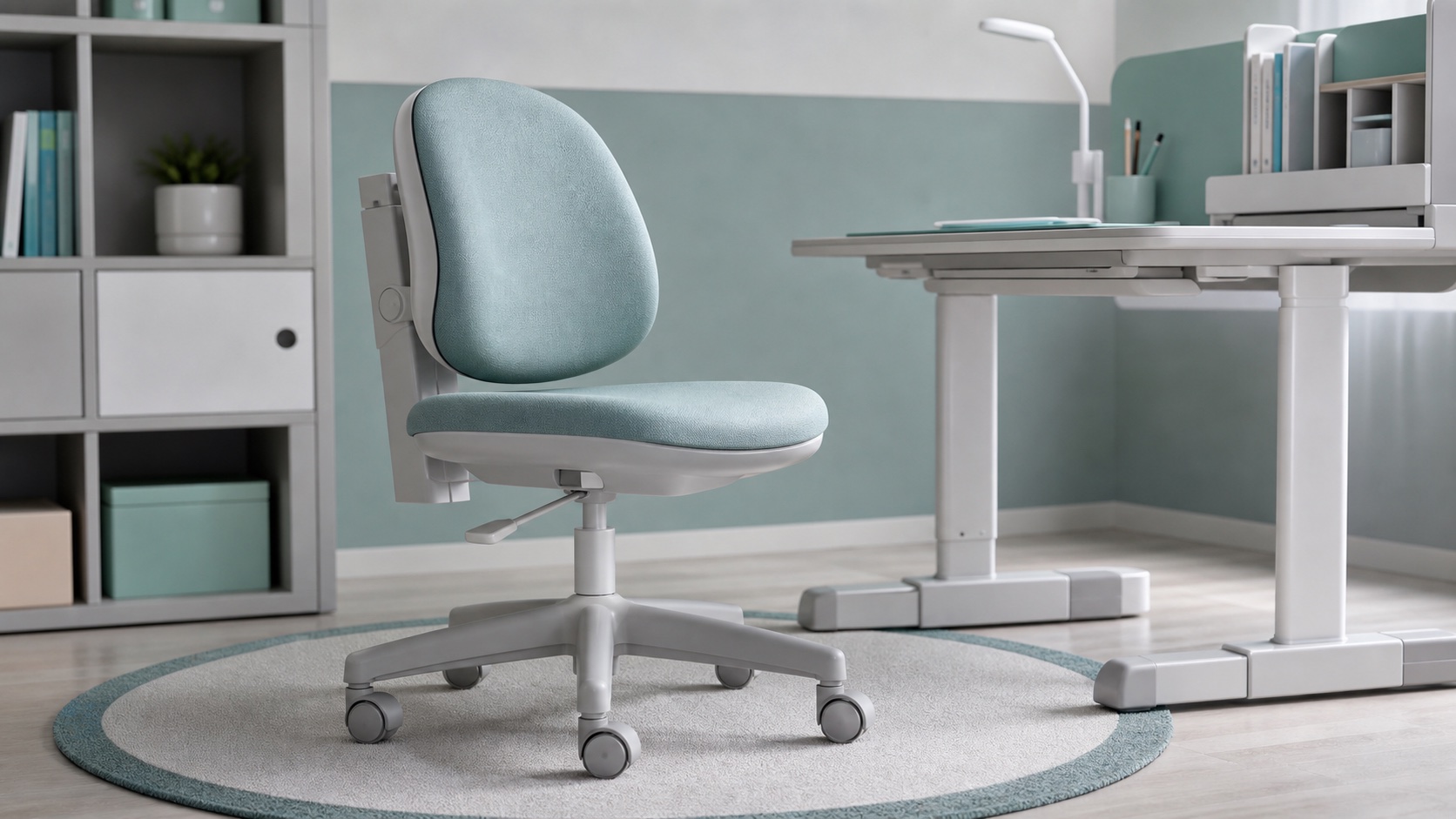
Review rotation control, operating force and the final chair safety plan.
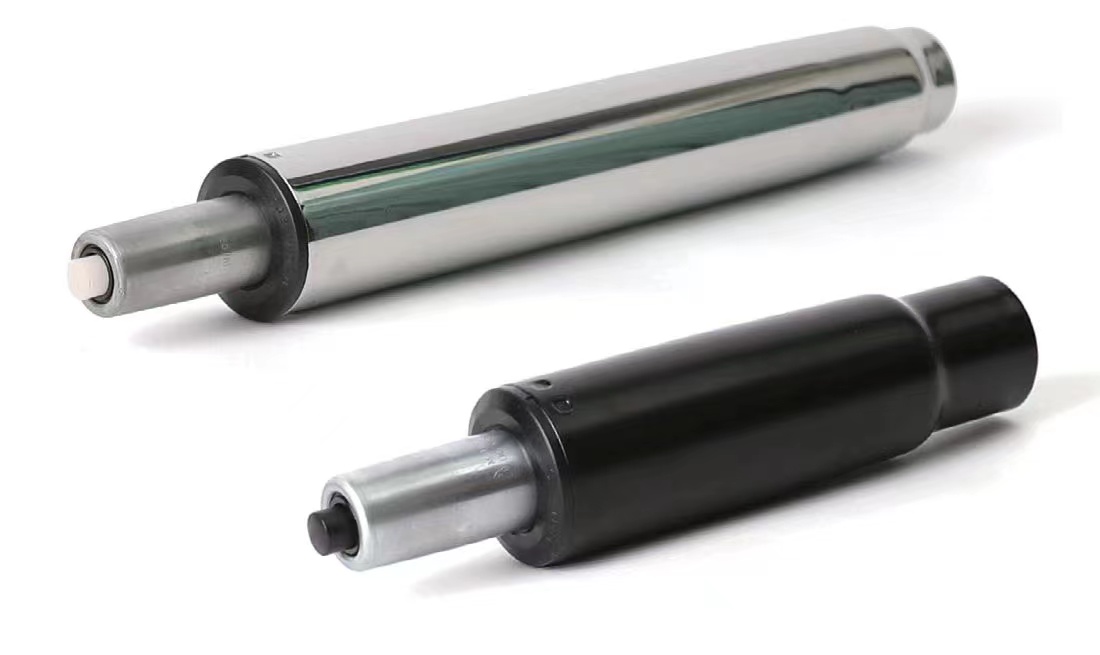
Support private marking, coating route, carton requirement and brand consistency.
Solution menu
Use these scenarios to prepare a clearer inquiry. Final specification should still be confirmed by drawing, sample, chair mechanism and certificate scope.
For big-and-tall chairs, control rooms, call centers, public procurement and repair markets where stronger support and repeatable performance are important.
For clean rooms, electronics factories and lab seating where anti-static requirements and surface cleanliness need to be reviewed.
For lounge, meeting and visitor chairs where rotation feel, automatic return or non-swivel behavior may affect user experience.
For drafting chairs and standing-height support chairs that need a larger height window and stable support at different working positions.
For children chair programs where controlled swivel, safe operation and stable height adjustment require special attention.
For brands that need color-matched gas lifts, private marking, logo, carton requirements or a consistent appearance with the full chair design.

SMT advantage
For many buyers, the difficult part is not knowing the name of the gas lift. It is translating chair use into a purchasable specification. Samiktech reviews application, drawing, sample and certification requirements together.
Application comparison
| Chair application | Common buyer concern | Gas lift review point | Useful inquiry data |
|---|---|---|---|
| Heavy-duty office chair | Higher user load and long service time | Class, force, rod and outer tube route | User load, chair test target, expected quantity |
| Laboratory / ESD chair | Anti-static and clean surface | ESD path, surface finish and contamination control | ESD requirement, chair material, target market |
| Lounge / meeting chair | Return angle and rotation feeling | Auto-return or non-swivel function | Rotation angle, mechanism, sample video |
| Sit-stand chair | Higher seat-height window | Long stroke, extended and compressed length | Installed height, chair base, footring design |
| Children chair | Safety and controlled movement | Rotation control and force feeling | Age group, safety test request, chair drawing |
| OEM brand chair | Visual consistency and private label | Color, logo, marking and packing | Brand artwork, color sample, carton requirement |
FAQ
Start from the chair application, then confirm stroke, extended length, compressed length, rated force, tube and rod configuration, finish, rotation requirement and certification scope.
Yes. We can review stronger configurations such as 2.5 mm carbonized rod and/or 1.5 mm outer tube according to chair design, user load expectation and test requirements.
Yes. We can discuss private marking, logo, black coating, chrome, QPQ, hard chrome and packaging requirements for OEM chair programs.